


 Pool Maintenance
How to Wire a Pool Pump: Complete Step-by-Step Guide
 Michael Thompson
 Jul 05, 2026
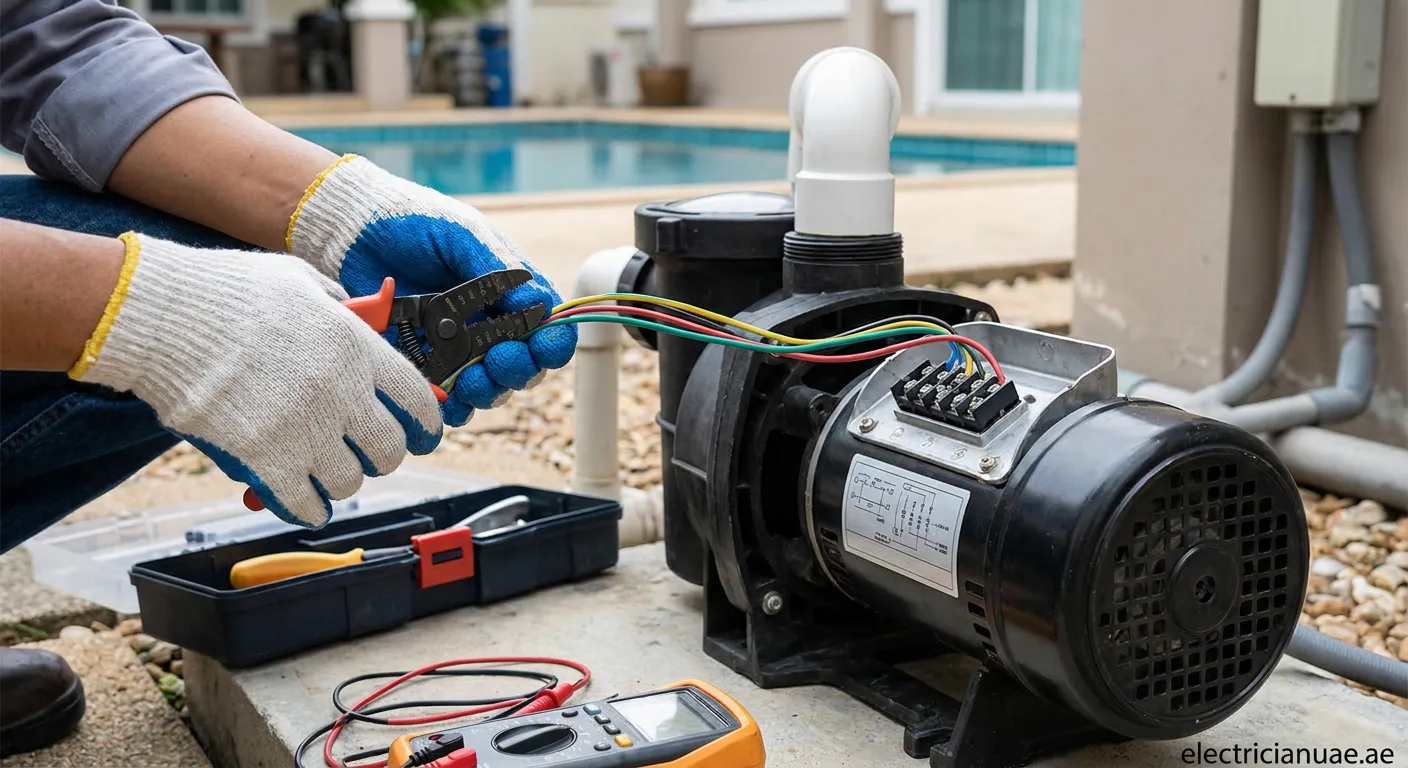
Understanding how to wire a pool pump is essential for pool owners who want to maintain their equipment properly. This comprehensive guide covers everything from safety precautions to step-by-step wiring instructions.
Why Proper Pool Pump Wiring Matters
How to wire a pool pump correctly is crucial for both safety and performance. A properly wired pump operates efficiently, reduces energy costs, and prevents electrical hazards. Incorrect wiring can lead to equipment damage, electrical shocks, or even fire hazards.
Safety Precautions Before You Begin
Before learning how to wire a pool pump, prioritize safety:
- Turn off the main power at the circuit breaker
- Use a voltage tester to confirm power is off
- Wear rubber-soled shoes and safety glasses
- Never work in wet conditions
- Check local electrical codes and permit requirements
⚠️ Warning: If you're uncomfortable with electrical work, hire a licensed electrician. Electrical mistakes can be dangerous and expensive.
Tools and Materials You'll Need
Gather these essentials before starting your pool pump wiring project:
- Screwdrivers (flathead and Phillips)
- Wire strippers and cutters
- Voltage tester or multimeter
- Electrical tape
- Wire nuts (appropriate size)
- Conduit and fittings
- Waterproof wire connectors
Understanding Pool Pump Wiring Basics
Voltage Requirements
Most residential pool pumps operate on either:
- 115V: Smaller above-ground pools
- 230V: Larger in-ground pools (more efficient)
Check your pump's label to determine voltage requirements. Wiring a pool pump requires matching the voltage to your electrical supply.
Wire Gauge Selection
Use the correct wire gauge based on:
- Pump amperage rating
- Distance from power source
- Voltage (115V or 230V)
For most pool pumps, 12-gauge or 10-gauge wire is standard. Consult a wire sizing chart for your specific setup.
Step-by-Step Guide: How to Wire a Pool Pump
Step 1: Prepare the Wiring Location
- Install a dedicated circuit breaker (typically 20-30 amp)
- Run conduit from the breaker box to the pump location
- Ensure the disconnect switch is within sight of the pump
Step 2: Connect the Power Supply
- Thread wires through the conduit
- Identify the hot wires (typically black and red for 230V, or black and white for 115V)
- Connect the ground wire (green or bare copper)
Step 3: Wire the Pump Motor
- Open the pump's electrical access panel
- Locate the terminal board
- Connect wires according to the manufacturer's diagram:
- Line 1: Connect to L1 terminal
- Line 2: Connect to L2 terminal (for 230V)
- Ground: Connect to green grounding screw
Step 4: Secure All Connections
- Tighten all wire nuts securely
- Wrap connections with electrical tape
- Use waterproof connectors where required
- Close the access panel properly
Common Wiring Configurations
115V Pool Pump Wiring
When wiring a pool pump at 115V:
- Use one hot wire (black) and one neutral (white)
- Connect ground wire to the grounding terminal
- Ensure proper wire gauge for the amperage
230V Pool Pump Wiring
For 230V pool pump wiring:
- Use two hot wires (black and red)
- No neutral wire required
- Ground wire connects to the grounding screw
- More efficient for larger pumps
Common Mistakes to Avoid
- Incorrect voltage: Always verify pump voltage matches supply
- Undersized wire gauge: Causes overheating and voltage drop
- Loose connections: Leads to arcing and potential fire
- Skipping the ground wire: Creates serious shock hazard
- Ignoring local codes: May void insurance and create safety issues
Testing Your Pool Pump Wiring
After completing the pool pump wiring process:
- Double-check all connections
- Ensure the access panel is closed
- Turn on the circuit breaker
- Test the pump using the disconnect switch
- Listen for proper operation and check for unusual sounds
- Verify pump is moving water correctly
When to Call a Professional
Consider hiring a licensed electrician if you:
- Lack experience with electrical work
- Need to install a new circuit
- Have an older electrical system
- Encounter unfamiliar wiring configurations
- Want to ensure code compliance
Ready to Wire Your Pool Pump?
Now that you understand how to wire a pool pump safely and correctly, you can tackle this DIY project with confidence. Remember to always prioritize safety and follow local electrical codes. If you encounter issues or need professional assistance, our experts at Al Oshoosh offer specialized Power-tripping-fix Al Oshoosh services to help you resolve electrical problems quickly and safely.
 pool pump wiring, electrical installation, DIY pool maintenance, pool equipment
