


 Electrical Safety
Preventing Electrical Accidents in the Bathroom
 Alex Morgan
 Oct 18, 2026
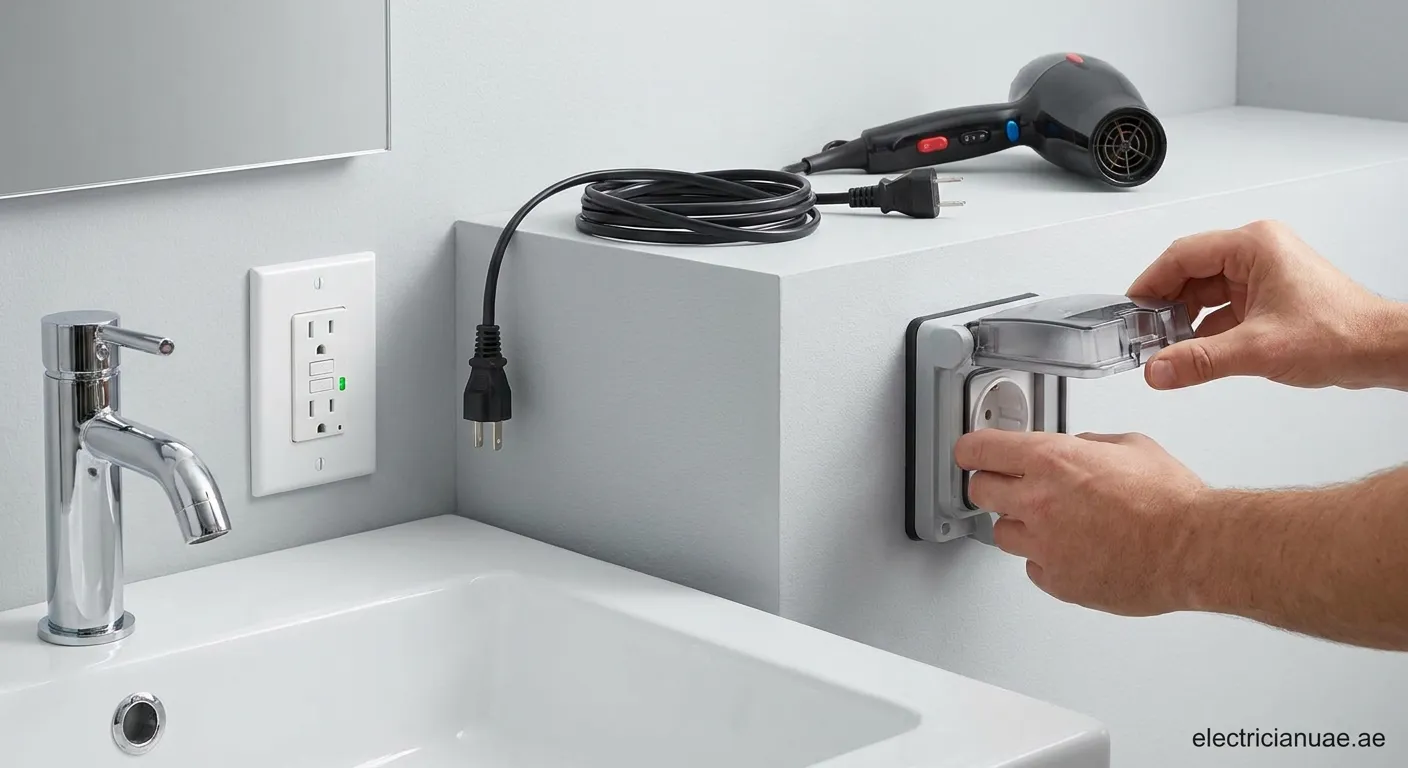
Bathrooms combine water and power, creating high shock risks. Knowing the right safety protocols protects your household from severe electrical hazards daily.
Understanding Bathroom Electrical Hazards
Water is an exceptional conductor of electricity, making moisture-rich environments exceptionally hazardous. Preventing Electrical Accidents in the Bathroom requires a proactive understanding of how moisture, steam, and improper electrical fittings interact. Even minor insulation flaws or splashing can trigger severe shocks or short circuits.
The Role of Ground Fault Circuit Interrupters (GFCI)
Standard circuit breakers protect against overloads, but GFCI devices react within milliseconds to ground faults. Installing GFCI outlets is the first line of defense for bathroom electrical safety.
- Rapid Tripping: GFCIs detect current imbalances as small as 4 to 6 milliamperes.
- Monthly Testing: Always press the "Test" and "Reset" buttons monthly to verify functionality.
- Moisture Resistance: Choose weather-resistant and tamper-resistant GFCI models for wet zones.
Safe Zoning and Ingress Protection (IP) Ratings
Bathrooms are divided into strict electrical safety zones according to international standards:
- Zone 0 (Inside the bathtub/shower): Only low-voltage fixtures (max 12V) with an IPX7 rating are permitted.
- Zone 1 (Directly above the bath up to 2.25m): Requires IPX4 or IPX5 protection for water jet resistance.
- Zone 2 (0.6m outside Zone 1): IPX4 rated luminaires and ventilation units are mandatory.
- Zone 3 / Outside Zones: General splash-proof fixtures with appropriate earthing. Understanding these zones is crucial when preventing electrical accidents in the bathroom during renovations or minor upgrades.
Best Practices for Appliance and Fixture Safety
Small grooming appliances like hair dryers, electric shavers, and curling irons pose significant risks when handled near wet sinks.
Safe Appliance Habits
- Unplug After Use: Never leave portable devices plugged in on damp countertops.
- Inspect Cords Regularly: Frayed cords or cracked plugs should be replaced immediately.
- Dry Hands Thoroughly: Never operate switches or handle cords with wet hands.
Safety Reminder: Never run extension cords into a bathroom from adjacent rooms, as standard cords lack vital ground-fault protection.
Upgrading Lighting and Ventilation Safely
Ceiling lighting and exhaust fans must be sealed against condensation build-up. Enclosed LED downlights prevent moisture ingress into ceiling cavities, reducing short-circuit risks. When choosing bathroom fixtures, prioritize sealed luminaires with dedicated pull-cord switches or remote wall switches located outside high-humidity areas.
Warning Signs of Bathroom Electrical Problems
Recognizing early symptoms prevents catastrophic failures:
- Flickering lights or buzzing sounds when steam accumulates.
- Scorch marks or warmth around outlet faceplates.
- Frequent tripping of residual current devices (RCDs).
- Tingling sensations when touching metallic faucets or appliances. Proactive maintenance and prompt professional inspections ensure effective bathroom hazard prevention.
Ensuring Long-Term Electrical Safety
Keep your home secure by inspecting bathroom fixtures regularly. If you need professional assistance, our team offers reliable Light-fixing Jebel Ali Port services to keep your electrical systems completely safe and up to standard.
 bathroom safety, electrical safety, GFCI outlets, home maintenance
