


 Electrical Troubleshooting
Why Circuit Breaker Trips After Resetting
 James Volt
 Jan 14, 2026
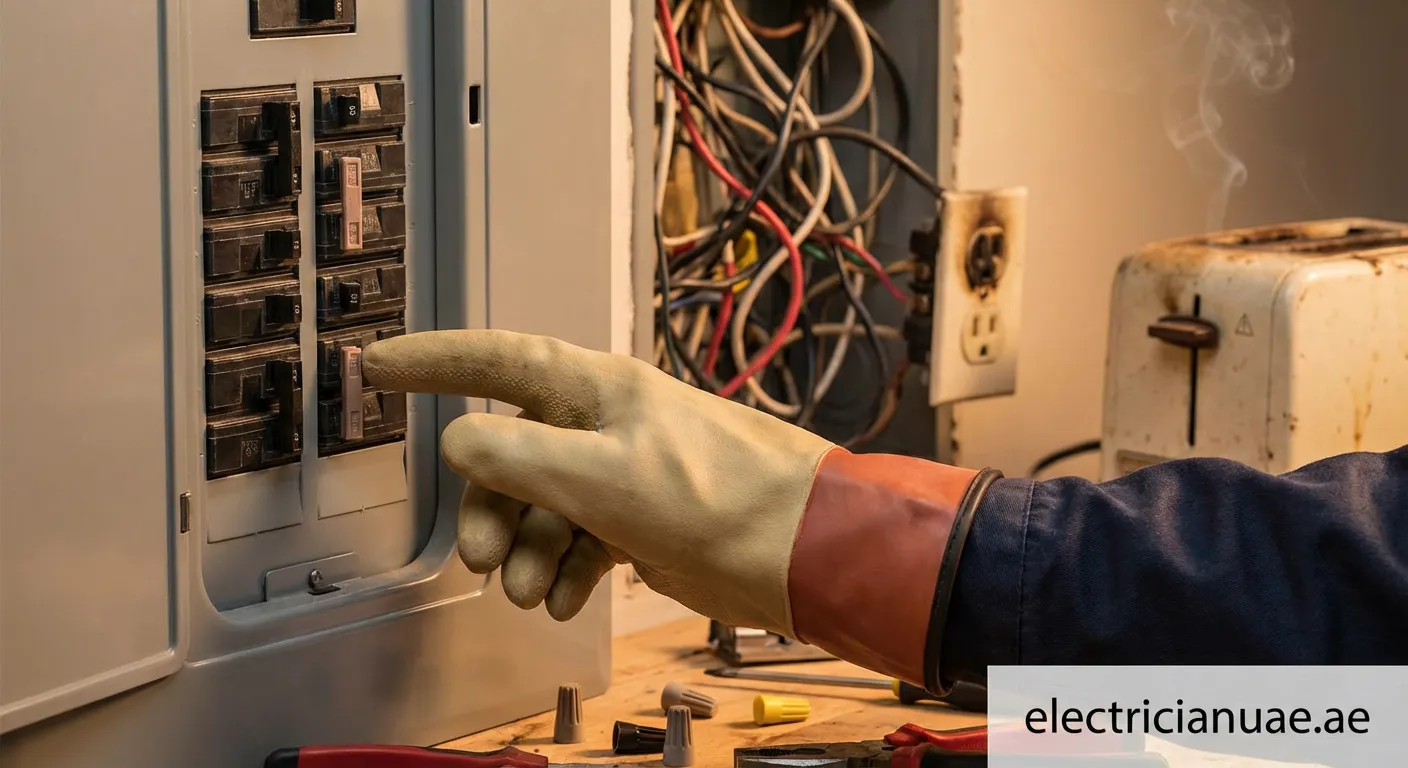
It is frustrating when you flip the switch and it snaps back instantly. We explain why your circuit breaker trips immediately after resetting and how to fix it.
Experiencing a power outage in a specific room is annoying, but it becomes alarming when you try to restore power and the switch flips back instantly. Understanding Why Your Circuit Breaker Trips Immediately after Resetting is the first step toward a safe solution. This phenomenon usually indicates a hard fault in your electrical system that requires immediate attention.
The Main Culprits Behind Instant Tripping
When a breaker refuses to stay in the "ON" position, it is doing its job: protecting your home from a potential fire. There are three primary reasons for this behavior.
1. Short Circuit
The most common reason why your circuit breaker trips immediately after resetting is a short circuit. This occurs when a "hot" (live) wire comes into direct contact with a "neutral" wire. This contact creates a path of least resistance, causing a massive surge of electricity to flow through the circuit.
- Symptoms: Sparks, a burning smell, or black marks around the outlet.
- Mechanism: The breaker detects this surge instantly and cuts the power to prevent the wires from melting and starting a fire.
2. Ground Fault
A ground fault is similar to a short circuit but involves the hot wire touching the ground wire or the metal casing of an outlet or appliance. This causes the electricity to flow into the ground rather than through the intended circuit loop.
3. Faulty Circuit Breaker
Sometimes, the problem isn't the wiring but the safety device itself. Breakers are mechanical devices that can wear out over time. If the internal spring or sensor fails, it may become too sensitive or unable to latch effectively.
Troubleshooting Steps
If you are trying to figure out why your circuit breaker trips immediately after resetting, follow these diagnostic steps cautiously.
Step 1: Unplug Everything
A short circuit might be occurring inside a connected appliance rather than in your wall wiring.
- Turn off the main breaker (optional but recommended for safety).
- Unplug every device connected to the problematic circuit (lamps, computers, heaters).
- Try to reset the breaker.
- Result: If it stays on, one of your appliances is faulty. Plug them back in one by one until the breaker trips again to identify the bad device.
Step 2: Inspect Outlets and Switches
If the breaker trips even with nothing plugged in, the issue lies within the infrastructure. You might have a loose wire inside an outlet box touching a ground screw.
Warning: Working with exposed wiring is dangerous. If you are not comfortable opening outlet covers, contact a certified electrician immediately.
Step 3: Check for Overloads
While overloads usually take a few seconds or minutes to trip a breaker (as the thermal element heats up), a massive overload caused by turning on a high-wattage machine (like a table saw or heavy heater) simultaneous to the reset can cause an instant trip.
When to Call a Professional
Diagnosing why your circuit breaker trips immediately after resetting can be straightforward if it is an appliance issue. However, if the fault lies within the walls or the main panel, it poses a significant electrocution and fire hazard. Professional electricians have the tools to trace short circuits behind drywalls without causing unnecessary damage.
Final Thoughts on Breakers
Dealing with electrical faults can be dangerous. If the problem persists, do not risk it. We also have a service in Qalbaiah, so check our Socket-installation Qalbaiah for professional help with your electrical systems.
 circuit breaker, electrical repair, home safety, troubleshooting
