


 DIY & Home Safety
Safety Tips for Using Power Tools at Home
 Alex Turner
 Jan 28, 2026
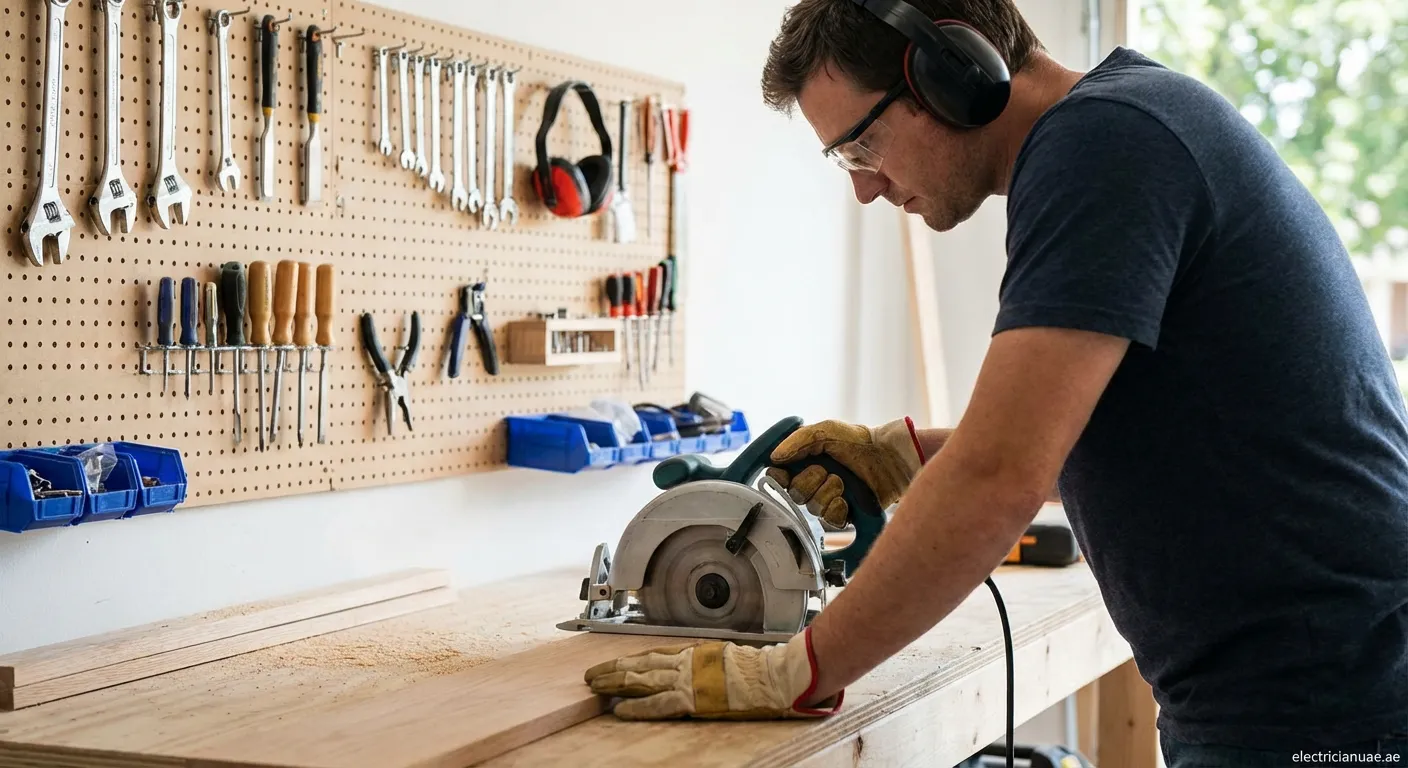
Taking on DIY projects is exciting, but safety must come first. Implementing proper Safety Tips for Using Power Tools at Home is essential to prevent accidents and ensure a successful renovation.
Embarking on home improvement projects is a rewarding experience, but it comes with inherent risks. Whether you are a seasoned DIY enthusiast or a beginner, adhering to Safety Tips for Using Power Tools at Home is crucial to preventing serious injuries. Power tools are efficient, but a moment of distraction can lead to accidents. Here is a comprehensive guide to keeping your home workshop safe.
Personal Protective Equipment (PPE) is Non-Negotiable
The first line of defense against injury is what you wear. Before you even plug in a tool, ensure you are geared up correctly.
- Eye Protection: Always wear safety glasses or goggles. Debris, dust, and wood chips can fly at high speeds.
- Hearing Protection: Prolonged exposure to the noise of drills and saws can damage hearing. Use earplugs or earmuffs.
- Respiratory Masks: When sanding or cutting, use a mask to avoid inhaling harmful dust particles.
- Proper Clothing: Avoid loose clothing and jewelry that could get caught in moving parts. Tie back long hair.
Preparing Your Workspace
A chaotic environment breeds accidents. One of the most overlooked Safety Tips for Using Power Tools at Home is workspace organization.
- Lighting: Ensure your work area is well-lit. Shadows can hide dangers and make precise cutting difficult.
- Stable Surface: Use clamps or a vice to secure your workpiece. Never hold the material with one hand while operating a power tool with the other.
- Dry Environment: Never use electric power tools in damp or wet locations unless they are specifically designed for it to avoid electrocution.
- Cord Management: Keep power cords away from the cutting path and prevent them from becoming tripping hazards.
Tool Inspection and Maintenance
A faulty tool is a dangerous tool. Regular inspection is a key component of Safety Tips for Using Power Tools at Home. Before starting any project, check your equipment.
- Inspect Cords: Look for frayed wires or cracked insulation. If a cord is damaged, replace it immediately; do not just tape it up.
- Check Guards: Ensure safety guards on saws remain in place and function correctly. Never remove a guard for "convenience."
- Sharp Bits: Dull blades and bits require more force to use, increasing the chance of slipping or kickback. Keep your tools sharp.
Safe Operating Practices
Knowing how to handle your tools is just as important as the condition they are in.
Disconnect Power
Always unplug the tool or remove the battery before changing blades, bits, or accessories. This prevents accidental startup while your hands are near the dangerous parts.
Grip and Stance
Maintain a firm grip and a balanced stance. Do not overreach; keep proper footing and balance at all times. This gives you better control over the tool if it kicks back.
Focus and Alertness
Fatigue and distraction are major causes of accidents. Never operate power tools if you are tired, distracted, or under the influence of alcohol or medication. Your full attention must be on the task.
"Safety isn't just a set of rules; it's a mindset. Respect the power of the tool, and it will serve you well."
By integrating these Safety Tips for Using Power Tools at Home into your routine, you transform your workshop into a productive and safe environment. Remember, no project is worth risking your physical well-being.
Prioritize Safety in Every Project
By mastering these Safety Tips for Using Power Tools at Home, you ensure your projects are successful and injury-free. Sometimes, complex electrical tasks require experts. We also have a service in Al Fagaa, check out Electrical-maintenance Al Fagaa for help.
 power tools, DIY safety, home improvement, workplace safety, PPE
