


 Electrical Installation
How to Convert a Single Socket to a Double Socket
 Michael Roberts
 Mar 15, 2026
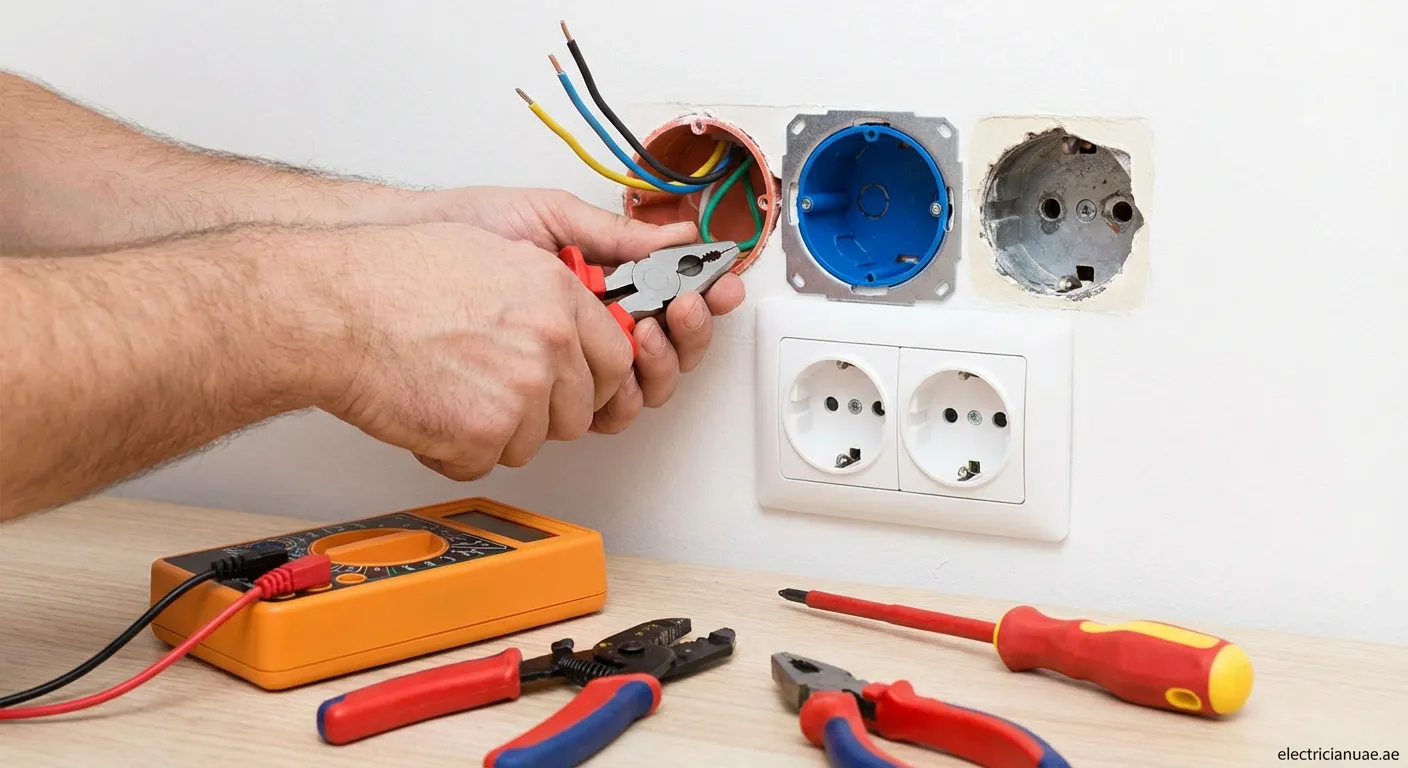
Need more outlets? Learning how to convert a single socket to a double socket lets you add charging points without major renovations.
How to Convert a Single Socket to a Double Socket is a common question among homeowners looking to expand their electrical outlets without extensive rewiring. This practical upgrade can significantly improve convenience in your living space.
Why Convert Your Socket?
Before learning how to convert a single socket to a double socket, understand the benefits:
- Additional outlet capacity for modern devices
- Cost-effective solution compared to new installations
- Minimal wall modification required
- Improved functionality in high-use areas
Essential Tools Required
Gather these tools before starting your project:
- Voltage tester – Critical for safety verification
- Screwdriver set – Flathead and Phillips
- Wire strippers and cutters
- New double socket faceplate
- Electrical tape
- Drill with appropriate bits
Safety Equipment
Never compromise on safety gear:
- Insulated gloves
- Safety glasses
- Non-contact voltage detector
Step-by-Step Process
Step 1: Turn Off Power Supply
Locate your consumer unit and switch off the circuit breaker controlling the target socket. Use a voltage tester to confirm no power flows to the outlet.
⚠️ Warning: Never work on live circuits. Always verify power is completely disconnected before proceeding.
Step 2: Remove Existing Socket
Unscrew the faceplate carefully. Document wire positions by taking photos – this helps when connecting the new double socket.
Step 3: Assess Wall Box Depth
Converting single to double sockets requires adequate wall box depth:
- Minimum 25mm depth recommended
- Shallow boxes may need replacement
- Consider dry lining boxes for plasterboard walls
Step 4: Check Wire Capacity
Examine existing cables:
| Cable Type | Max Current | Suitable For |
|---|---|---|
| 1.5mm² | 16A | Standard rings |
| 2.5mm² | 20A | Heavy loads |
Ensure wires can handle increased demand from two outlets.
Step 5: Install New Double Socket
Connect wires to terminals following manufacturer instructions:
- Insert neutral wire (blue) into N terminal
- Connect live wire (brown) to L terminal
- Secure earth wire (green/yellow) to E terminal
- Tighten all terminal screws firmly
- Push excess cable into box carefully
- Secure faceplate with screws
Common Challenges When Converting Sockets
Understanding how do you convert a single socket to a double includes anticipating problems:
Insufficient Cable Length
If cables don't reach comfortably:
- Use approved junction boxes for extensions
- Never force connections under tension
- Consider calling a qualified electrician
Box Depth Issues
Shallow boxes can cause overheating:
- Replace with deeper boxes when possible
- Choose slim-profile double sockets designed for limited space
When to Seek Professional Help
While DIY enthusiasts can learn converting single socket to double techniques, some situations require expert intervention:
- Unknown wiring configurations
- Aluminum wiring present (common in older buildings)
- Signs of damage or burning on existing cables
- Insufficient DIY experience with electrical work
Final Thoughts on Socket Conversion
Converting sockets requires proper tools and knowledge. If you encounter issues during your project, consider professional help. We also offer Short-circuit-repair Al Quoz Industrial Area 4 services for local residents.
 socket installation, electrical wiring, DIY electrical, double socket conversion
