


 Pool & Spa Electrical
Electrical Requirements for Jacuzzis and Pools: Complete Guide
 Michael Johnson
 Mar 04, 2026
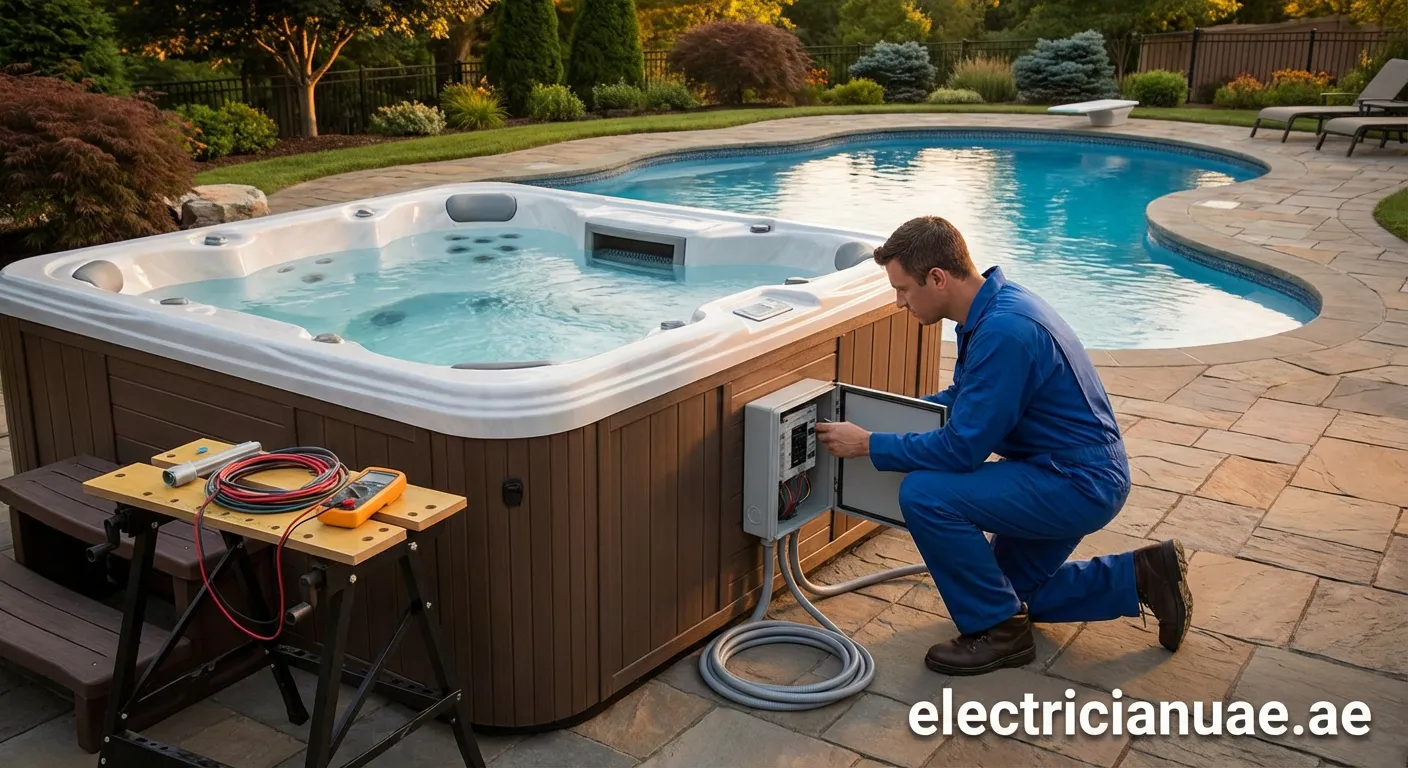
Understanding electrical requirements for jacuzzis and pools is crucial for safe installation. Proper wiring, dedicated circuits, and GFCI protection are essential components that homeowners must consider before installation.
Understanding Electrical Requirements for Jacuzzis and Pools
Installing a jacuzzi or pool requires careful attention to electrical specifications. Electrical requirements for jacuzzis and pools differ significantly from standard household wiring needs, demanding specialized knowledge and professional expertise.
Dedicated Circuit Requirements
Both jacuzzis and pools require dedicated electrical circuits that operate independently from other household systems. A typical hot tub needs:
- 240V circuit with 30-60 amp capacity
- Dedicated breaker in your electrical panel
- Proper wire gauge (typically 6-8 AWG copper)
- Weather-resistant conduit for outdoor runs
Pools have similar requirements but may need additional circuits for:
- Pool pumps and filtration systems
- Pool heaters
- Lighting systems
- Automatic pool covers
GFCI Protection: Non-Negotiable Safety
Ground Fault Circuit Interrupter (GFCI) protection is mandatory for all pool and jacuzzi electrical installations. GFCI breakers detect electrical imbalances and shut off power within milliseconds, preventing electrocution risks.
According to the National Electrical Code (NEC), all pool and spa electrical components must have GFCI protection installed at the circuit breaker or outlet level.
Wiring Specifications and Distance Requirements
Electrical requirements for jacuzzis and pools include strict distance regulations:
- Underground wiring must be at least 5 feet from pool edges
- Overhead conductors must maintain 22.5 feet clearance above water
- Junction boxes require minimum 4 feet distance from water
- All outdoor wiring must be in approved conduit types (PVC or metal)
Bonding and Grounding Essentials
Proper bonding connects all metal components around your pool or jacuzzi to prevent voltage differences:
- Pool shell reinforcement
- Metal ladders and handrails
- Diving boards
- Pool equipment pads
- Metal conduit within 5 feet
Grounding provides a safe path for fault current, protecting against electrical shock and equipment damage.
Professional Installation: Why It Matters
Meeting electrical requirements for jacuzzis and pools demands expertise in:
- Local building codes and permits
- NEC compliance standards
- Load calculations and panel capacity
- Proper wire sizing and installation techniques
- Safety inspection requirements
Attempting DIY installation risks serious injury, property damage, and code violations that could void insurance coverage.
Common Installation Mistakes to Avoid
Many homeowners underestimate the complexity of pool and spa electrical systems:
- Using undersized wiring causing overheating
- Skipping GFCI protection
- Inadequate bonding of metal components
- Improper conduit installation
- Ignoring local permit requirements
Energy Efficiency Considerations
Modern electrical requirements for jacuzzis and pools include options for energy efficiency:
- Variable-speed pumps reduce energy consumption by up to 80%
- LED lighting systems consume less power
- Timers and smart controls optimize operation schedules
- Solar heating integration requires additional circuit planning
Safe Installation Matters
Professional installation of electrical systems for jacuzzis and pools ensures safety and compliance with all codes. For expert assistance, our certified Electrician Wadi Zikt service provides comprehensive electrical solutions for your pool and spa needs.
 jacuzzi electrical, pool wiring, GFCI, safety requirements, installation
