


 Electrical Troubleshooting
Why Your Tools Trip the Breaker: Causes & Fixes
 Alexander Hayes
 Oct 04, 2026
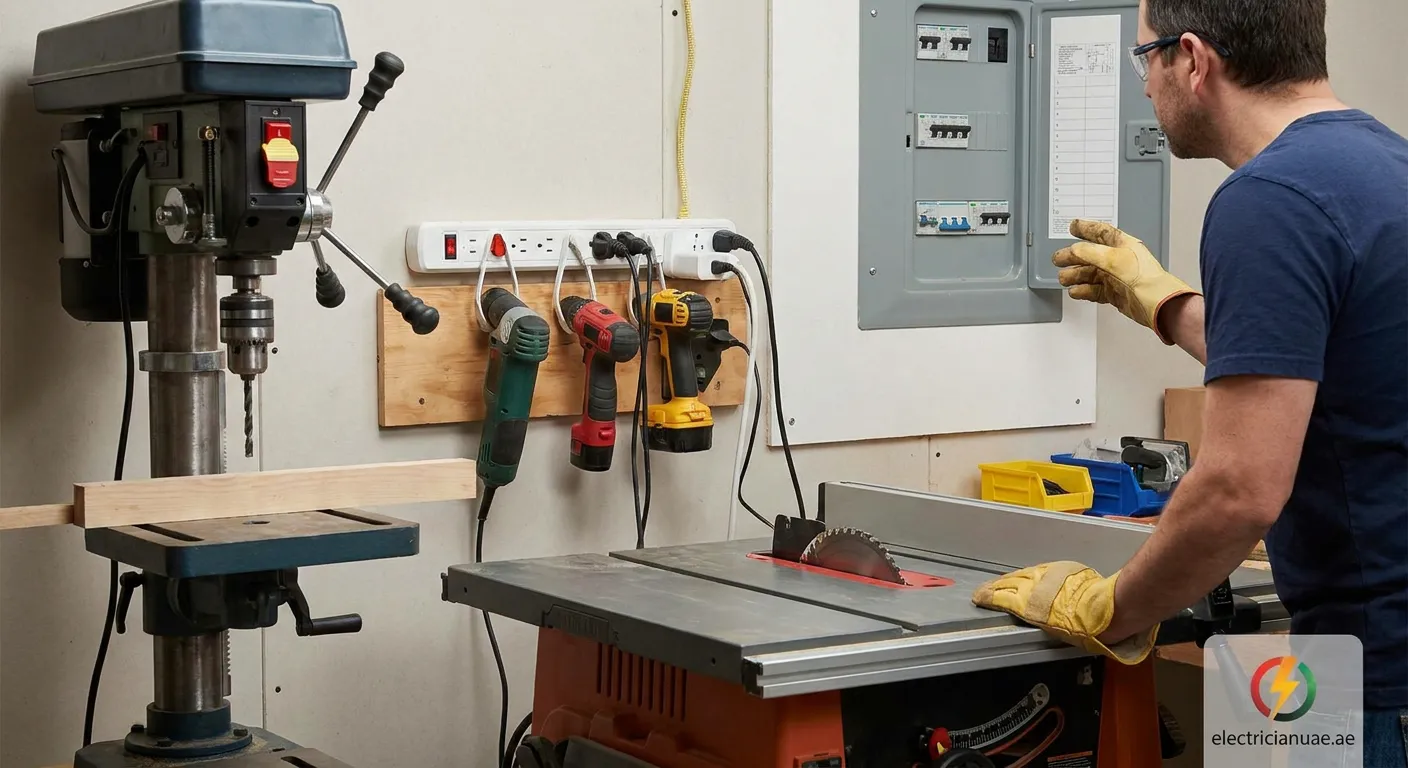
Do your power tools shut down your workshop suddenly? Understanding why your tools trip the breaker prevents downtime and protects your electrical system.
Power tools demand substantial electrical energy, especially during startup. If you frequently ask yourself why your tools trip the breaker, the answer usually lies in circuit overloading, motor defects, or faulty wiring. Recognizing the underlying cause is crucial for preventing equipment damage and hazardous electrical fires.
1. High Inrush Current and Circuit Overloads
The most frequent explanation for why your tools trip the breaker is a simple circuit overload. Heavy-duty tools like table saws, air compressors, and miter saws draw a surge of startup amperage known as inrush current.
- Shared Branch Circuits: Running workshop machinery on a general 15-amp circuit that already powers lights or other appliances will instantly surpass the amperage threshold.
- Sustained Heavy Loads: Pushing a tool beyond its rated capacity forces the motor to draw extra amps, triggering the thermal trip mechanism in your breaker panel.
- Dedicated Lines: High-draw machinery typically requires a dedicated 20-amp circuit to function without interruptions.
2. Internal Tool Faults and Ground Shortages
If the breaker trips immediately upon flipping a tool's switch, the issue often stems from internal electrical faults rather than panel capacity.
- Short Circuits in Motors: Damaged insulation on motor windings creates an unintended zero-resistance path, causing an instantaneous magnetic trip.
- Worn Carbon Brushes: Severely worn or misaligned brushes in universal motors generate excessive arcing and erratic electrical draw.
- Damaged Cords and Plugs: Frayed cords or bent prongs frequently short out when moved or flexed during active operation.
3. Ground Faults and Sensitive GFCI Receptacles
Modern workshops rely on Ground Fault Circuit Interrupters (GFCI) to protect operators from lethal shocks. However, they can be particularly sensitive to industrial gear.
Note: Ground faults occur when electrical current strays from its intended path and touches conductive metal housing or ground wires. Older power tools often accumulate conductive carbon dust inside the housing. This buildup can create minor current leakage that trips GFCI breakers even when the tool still operates normally.
4. Inadequate Extension Cords
Using an undersized extension cord causes a severe voltage drop. As voltage drops, the tool's motor draws more current to maintain output power, overheating the cord and tripping standard breakers. Always match cord wire gauge (AWG) to the tool's wattage rating and distance requirements.
Practical Steps to Prevent Breaker Trips
To resolve issues regarding why your tools trip the breaker, follow these straightforward best practices:
- Distribute high-draw appliances across different breaker circuits.
- Upgrade garage outlets to dedicated 20-amp breakers with 12 AWG wiring.
- Clean tool vents regularly to eliminate conductive sawdust and metal shavings.
- Replace worn cords with heavy-duty 10-gauge or 12-gauge grounded cords.
Professional Electrical Assistance
Understanding why your tools trip the breaker keeps your workspace safe. If you experience persistent power issues, consult our expert Electrician Sha'biyyat Al Hiyar team for rapid diagnostics and dedicated breaker repair.
 Circuit Breakers, Power Tools, Electrical Safety, Breaker Tripping
