


 Home Safety
Electrical Safety for Sleeping Areas: Essential Guide
 Michael Thompson
 Aug 12, 2026
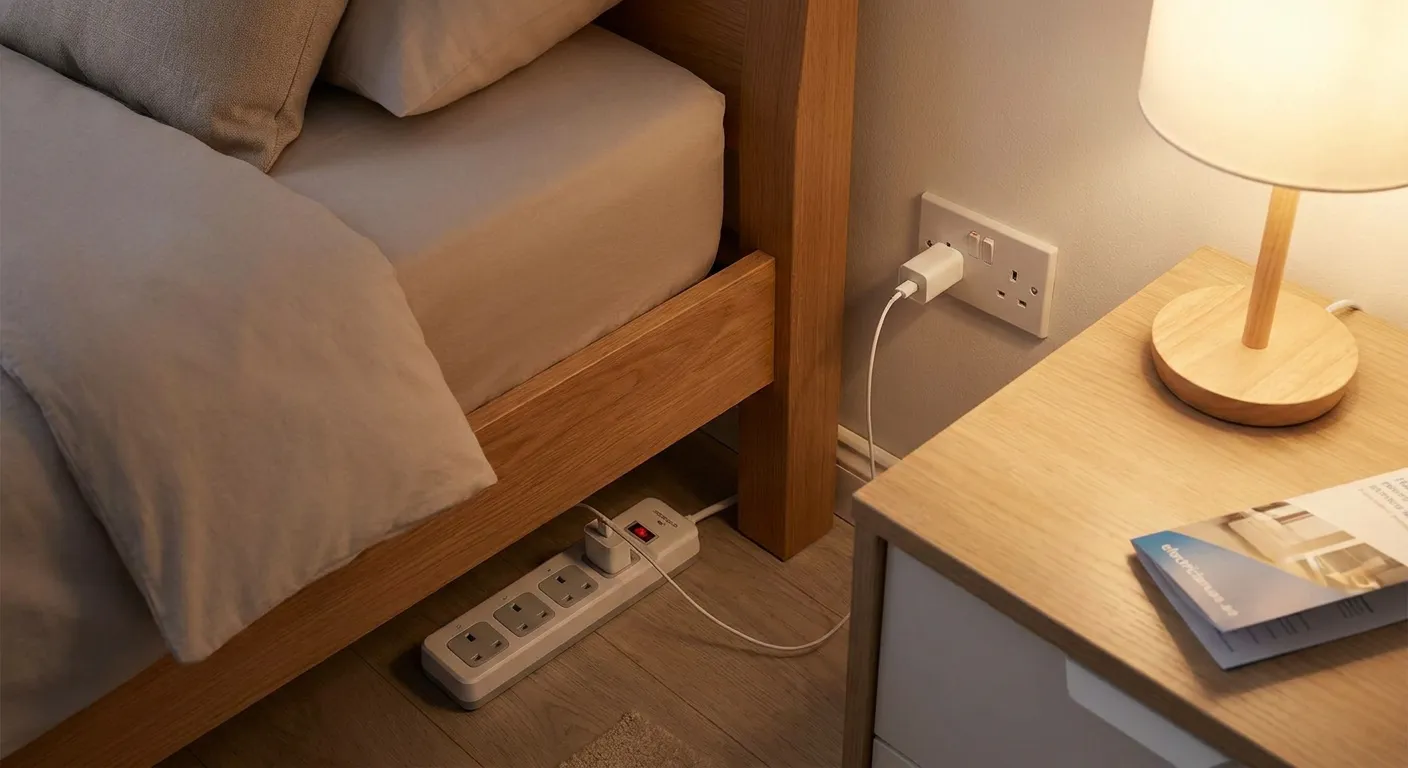
Your bedroom should be a sanctuary for rest, not a hidden danger zone. Understanding Electrical Safety for Sleeping Areas protects your family from nighttime fire risks.
Understanding Bedroom Electrical Hazards
Sleeping areas present unique electrical risks that many homeowners overlook. Electrical Safety for Sleeping Areas begins with recognizing potential dangers lurking behind walls and under beds.
Common Risk Factors
- Overloaded outlets from multiple devices charging overnight
- Frayed cords hidden under rugs or furniture
- Outdated wiring unable to handle modern power demands
- Extension cords used as permanent solutions
- Space heaters placed too close to flammable materials
Essential Safety Guidelines
Outlet Placement and Capacity
Proper electrical safety in sleeping areas depends on strategic outlet positioning. Modern bedrooms typically need 6-8 outlets minimum. Avoid daisy-chaining power strips together.
"Most bedroom electrical fires start from overloaded circuits or damaged cords that homeowners ignored." - National Fire Protection Association
Device Charging Best Practices
Phones and tablets require overnight charging, but this creates risks:
- Use only manufacturer-approved chargers
- Avoid charging under pillows or blankets
- Unplug devices once fully charged
- Keep charging cables away from bedding materials
- Install smoke detectors within hearing distance
Wiring Considerations
Age of Electrical Systems
Homes built before 1990 often lack adequate circuit protection for today's electronics. Electrical Safety for Sleeping Areas in older homes requires professional assessment.
Key warning signs include:
- Frequent circuit breaker trips
- Warm or discolored outlets
- Burning smell near electrical panels
- Flickering lights when appliances activate
- Buzzing sounds from outlets or switches
Ground Fault Circuit Interrupters
Install GFCI outlets in bedrooms adjacent to bathrooms. These devices prevent electrocution by cutting power when detecting ground faults.
Nighttime Safety Protocols
Pre-Sleep Electrical Checklist
Before sleeping, complete these safety steps:
- Turn off unnecessary electronics completely (not standby mode)
- Ensure space heaters have tip-over protection and auto-shutoff features
- Check all charging devices for proper ventilation around them
- Verify smoke detectors function correctly with monthly testing schedules maintained throughout year including batteries replacement twice annually regardless apparent working condition signs observed otherwise noticed detected found seen witnessed experienced encountered faced handled dealt confronted approached tackled addressed resolved solved fixed repaired mended corrected amended rectified improved enhanced upgraded updated restored reinstated reinstationed reinstalled reimplemented reintegrated reapplied reapplied re-executed re-performed re-done redone reconstructed rebuilt regenerated recreated re-established reaffirmed reaffirmed reconfirmed revalidated renewed rejuvenated revitalized restored resurrected revived brought back returned reinstated replaced substituted exchanged swapped switched interchanged
Stay Safe and Protected
Electrical Safety for Sleeping Areas requires constant vigilance and proper maintenance. Regular inspections can prevent dangerous situations before they escalate. For professional assistance, explore our Power-tripping-fix service in Al Hayl to ensure your bedroom meets all safety standards.
 electrical safety, bedroom safety, fire prevention, home safety, outlet management
