


 Home Maintenance
Electrical Safety for Water and Cleaning Tips
 Alex Turner
 Feb 11, 2026
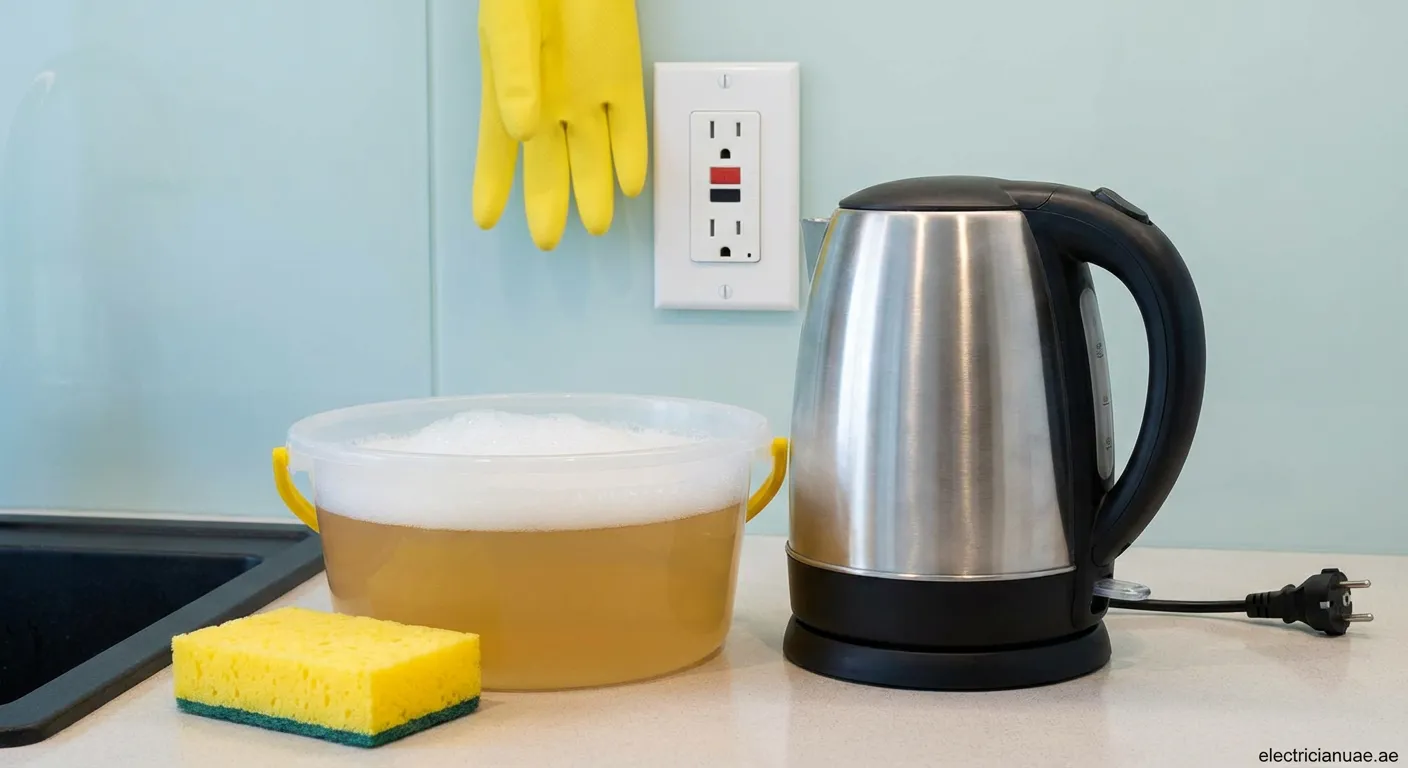
Mixing water and electricity is dangerous, yet inevitable during cleaning. This guide covers vital safety steps to prevent shocks and ensure home safety.
Water and electricity are a dangerous combination. Understanding the principles of Electrical Safety for Water and Cleaning is crucial for every homeowner. Whether you are mopping the floor, wiping down kitchen counters, or using a pressure washer outside, the risk of electric shock is always present if precautions are not taken.
The Science of the Danger
Water is an excellent conductor of electricity, especially tap water which contains minerals. When you combine cleaning activities with live electrical circuits, you create a path for current to travel, potentially through your body. This is why Electrical Safety for Water and Cleaning must be a top priority during household chores.
Key Risk Areas in the Home
Certain areas of the home are more prone to these hazards due to the proximity of plumbing and electrical outlets.
- Kitchens: The sink, dishwasher, and countertop appliances are high-risk zones.
- Bathrooms: Hair dryers, shavers, and heaters near bathtubs or sinks require extreme caution.
- Laundry Rooms: Washing machines and utility sinks often have cables running near water sources.
- Outdoor Areas: Using hoses or pressure washers near outdoor outlets or lighting fixtures.
Essential Safety Rules for Cleaning
To maintain Electrical Safety for Water and Cleaning, follow these non-negotiable rules:
1. Dry Hands Are Safe Hands
Never touch light switches, plugs, or appliances with wet hands. Even a small amount of moisture can reduce the resistance of your skin, increasing the severity of a shock. Always keep a dry towel nearby specifically for drying your hands before touching any electrical component.
2. GFCIs are Your Best Friend
Ground Fault Circuit Interrupters (GFCIs) are designed to shut off power instantly if they detect an imbalance in the current, such as electricity flowing through water or a person. Ensure that all outlets in wet areas (kitchens, bathrooms, garages) are equipped with GFCIs. Test them monthly to ensure they are functioning correctly.
3. Unplug Before You Clean
Before cleaning any electrical appliance—whether it’s a toaster, a blender, or a refrigerator coil—unplug it. Simply turning it off is not enough. For fixed appliances like ovens, ensure the controls are off and avoid spraying liquid directly onto control panels.
"Prevention is better than cure. Unplugging a device eliminates the source of the danger entirely while you work."
4. Watch the Cords
When vacuuming or mopping, be aware of where power cords are lying.
- Do not mop over extension cords.
- Check cords for fraying or damage before use; water can easily penetrate damaged insulation.
- Keep cords elevated off wet floors whenever possible.
Outdoor Cleaning and Pressure Washing
Outdoor cleaning often involves large volumes of water. When using a pressure washer, ensuring Electrical Safety for Water and Cleaning becomes even more critical.
- Cover Outlets: Ensure outdoor outlets have weatherproof covers.
- Mind the Spray: Never direct a water jet at electrical meters, porch lights, or air conditioning units.
- Extension Cords: Use heavy-duty, outdoor-rated extension cords and keep connections dry.
Dealing with Spills on Electronics
Accidents happen. If you spill liquid on a laptop, power strip, or any electronic device:
- Do not touch the puddle if it is connected to a live source.
- Cut the power at the main breaker box immediately.
- Unplug the device only after the power is off.
- Allow the device to dry completely for several days before attempting to turn it on, or consult a professional.
By integrating these habits into your routine, you significantly lower the risk of electrical accidents. Remember, regarding Electrical Safety for Water and Cleaning, vigilance is the key to safety.
Ensuring a Safer Home
By adhering to these guidelines, you protect your household from severe risks. Never underestimate the danger of mixing moisture and power. We also have a service in Nazwah, so consider our Short-circuit-repair Nazwah for professional help.
 electrical safety, water hazards, cleaning tips, home safety
