


 Workshop Safety
Essential Electrical Tips for Workshops Safety Guide
 Michael Roberts
 Apr 05, 2026
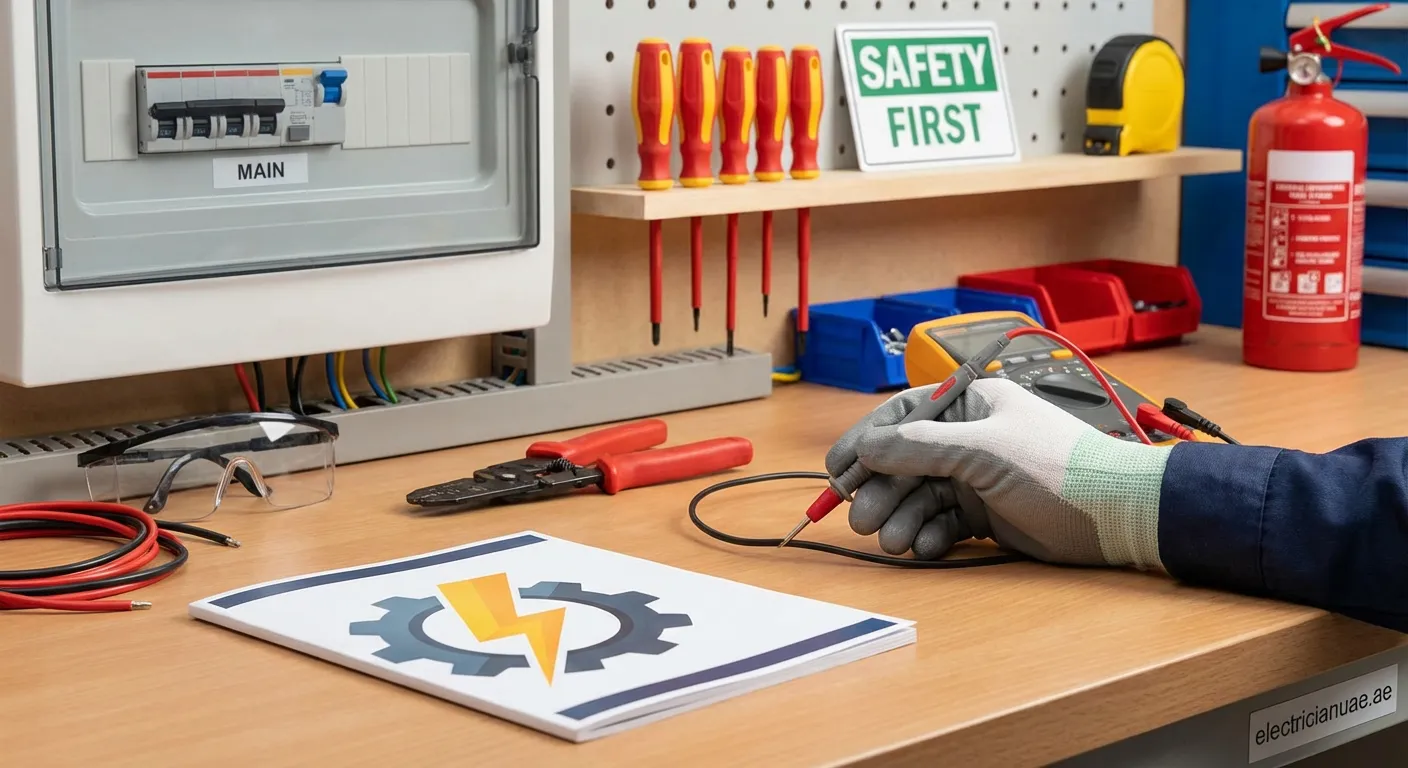
Creating a safe workshop environment starts with proper electrical planning. These essential Electrical Tips for Workshops will help you prevent hazards and work confidently.
Why Workshop Electrical Safety Matters
Workshops present unique electrical challenges that differ from typical home or office environments. With power tools, heavy machinery, and constant usage, following proper Electrical Tips for Workshops becomes essential for preventing accidents and ensuring smooth operations.
Understanding Your Power Needs
Before setting up any workshop, calculate your total electrical load:
- List all tools and their amperage requirements
- Add 20% headroom for future expansions
- Consider simultaneous tool usage scenarios
- Consult a licensed electrician for circuits above 20 amps
"Proper electrical planning prevents 90% of workshop fires" - National Electrical Safety Foundation
Essential Grounding Practices
Grounding remains the cornerstone of workshop electrical safety. All metal-cased tools must connect to properly grounded outlets. Here's what you need:
- Three-prong outlets throughout the workspace
- Ground Fault Circuit Interrupters (GFCIs) near water sources
- Regular testing of ground connections with a circuit tester
- Avoid using adapters that bypass grounding pins
Circuit Breaker Considerations
Install dedicated circuits for high-draw equipment like table saws, compressors, and welders. These workshop electrical tips prevent nuisance tripping and reduce fire hazards.
Extension Cord Safety Guidelines
While permanent wiring is ideal, extension cords serve temporary needs. Follow these rules:
- Use cords rated for your tool's amperage
- Keep cords away from high-traffic areas
- Inspect regularly for damage or wear
- Never daisy-chain multiple cords together
- Choose 12-gauge or heavier cords for workshops
Proper Lighting Installation
Good visibility prevents accidents. Install bright, shadow-free lighting using LED fixtures rated for workshop environments. Position lights strategically to illuminate workbenches without creating glare on machinery surfaces.
Emergency Preparedness
Every workshop needs emergency electrical provisions:
- Clearly labeled main shutoff switch location
- Fire extinguisher rated for electrical fires (Class C)
- First aid kit accessible within seconds
- Emergency contact numbers posted visibly
Stay Safe in Your Workshop
Following these Electrical Tips for Workshops ensures a safer working environment and prevents costly accidents. Regular maintenance and proper planning are key to workshop safety. Need professional help? Our Light-fixing Thoban service is here to assist you with all your electrical needs.
 workshop safety, electrical wiring, power tools, grounding
