


 Electrical Safety
Why Your Electrical System Needs Grounding: Key Benefits
 Alex Volkov
 Feb 04, 2026
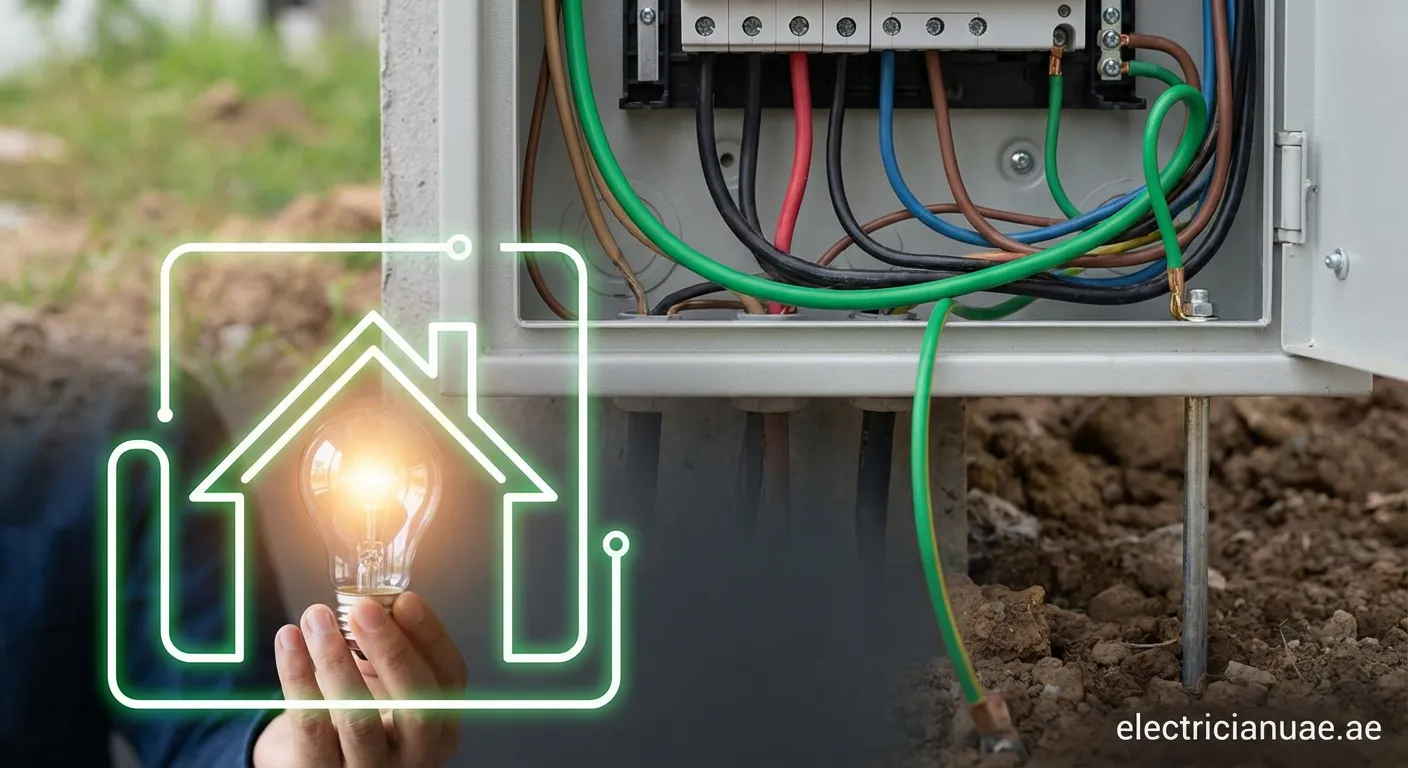
Electricity seeks the path of least resistance. Understanding why your electrical system needs grounding is the key to preventing fires, shocks, and equipment damage in your home.
Understanding why your electrical system needs grounding is fundamental to maintaining a safe and functional home environment. Grounding, or earthing, is not just a technical requirement; it is a critical safety measure that connects your electrical system to the earth's surface. This connection provides a safe path for excess electricity, preventing catastrophic failures.
What is Electrical Grounding?
In simple terms, grounding gives electricity the most effective way to return to the ground. An electrical circuit relies on both active and neutral wires. However, if a malfunction occurs—such as a short circuit or a lightning strike—electricity seeks the path of least resistance. Without a grounding system, that path could be through your appliances, your home's structure, or even your body.
Top Reasons for Proper Grounding
There are several vital reasons why your electrical system needs grounding. Ignoring them can lead to hazardous situations.
1. Protection Against Electrical Overloads
One of the most significant risks to any property is an electrical surge. Lightning strikes or high voltage from utility lines can send dangerous spikes of electricity into your home. A grounded system directs this excess energy into the earth rather than frying your electronics.
2. Prevents Electric Shock
Safety is the primary answer to why your electrical system needs grounding. If a wire inside an appliance comes loose and touches the metal casing, the device becomes "live." Without a ground wire, touching that appliance could result in a severe shock. Grounding ensures the breaker trips immediately, cutting off the power and preventing injury.
3. Protects Expensive Appliances
Modern electronics—computers, refrigerators, and smart TVs—are sensitive to voltage fluctuations.
- Voltage Stabilization: Grounding makes it easier for the correct amount of power to be distributed.
- Data Protection: Improper grounding can lead to data loss in servers and computers due to static buildup.
Signs Your Home May Lack Grounding
Older homes are particularly susceptible to ungrounded systems. Here is how to identify potential issues:
- Two-prong outlets: If your outlets only have two slots, they likely lack a ground wire.
- Shocks: Getting a mild shock when touching metal switches or appliances.
- Flickering lights: This can indicate voltage instability often solved by grounding.
- Burning smell: A sign of overheating wires that aren't tripping the breaker correctly.
The Role of the Ground Wire
The ground wire acts as a "lifeline" for your electrical panel. It does not carry current during normal operation. It sits and waits for a fault. When a fault occurs, the grounding system activates, channeling the dangerous current safely away.
Understanding why your electrical system needs grounding allows homeowners to take proactive steps. If you live in an older property or experience frequent surges, upgrading your earthing system is an investment in safety and peace of mind.
Secure Your Electrical Future
Proper earthing is non-negotiable for modern safety standards. It protects lives and expensive equipment. If you need inspections, we also provide the best Emergency-electrician Me'aisem First to ensure your system is secure.
 electrical grounding, home safety, voltage stability, earthing
