


 Electrical Safety
Exposed Wires: Major Hazards and How to Fix Them
 Marcus Vance
 Oct 21, 2026
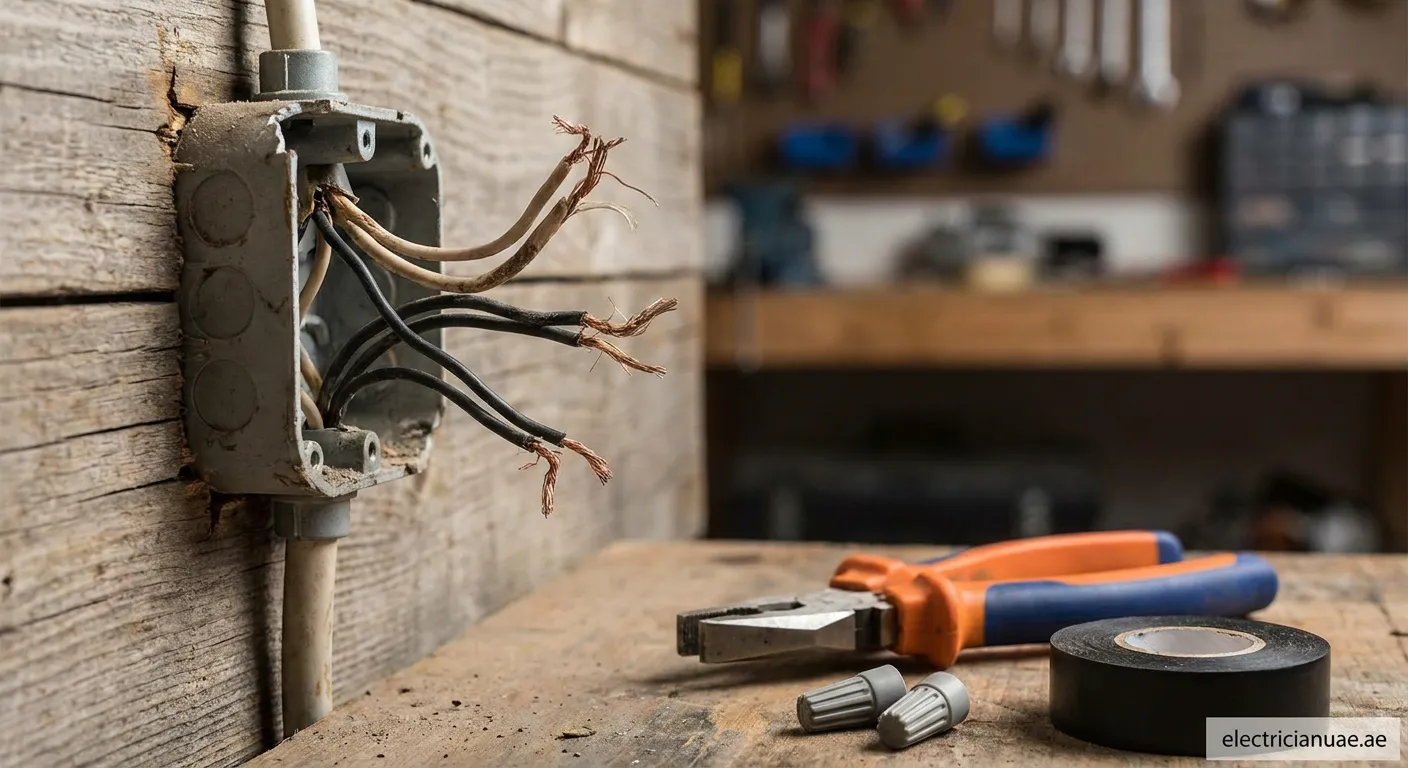
Exposed electrical cables pose severe risks in any home. Understanding the danger of exposed wires and how to fix them helps prevent electric shocks, short circuits, and catastrophic fires.
Why Bare Wires Demand Immediate Attention
Bare conductors inside walls, appliances, or extension cords are among the most hazardous electrical faults in residential properties. Understanding the danger of exposed wires and how to fix them is critical for safeguarding your family and property. When protective insulation cracks, melts, or tears, electric current is left unshielded, creating an immediate hazard.
Critical Risks of Uninsulated Conductors
- Severe Electric Shock: Accidental contact with live copper can result in painful shocks, muscle spasms, nerve damage, or fatal electrocution.
- Fire Outbreaks: Unprotected hot wires can arc against grounded surfaces, igniting surrounding drywall, timber framing, or insulation materials.
- Short Circuits and Surges: Direct contact between live and neutral wires trips circuit breakers, destroys connected appliances, and degrades electrical infrastructure.
Warning: Never touch bare or fraying conductors with bare hands, especially in moist areas like kitchens, bathrooms, or basements.
Primary Causes of Exposed Wiring
Insulation wear happens for multiple reasons across residential and commercial buildings:
- Mechanical Damage: Heavy furniture pressing on cords, doors pinching cables, or accidental nail punctures during renovation.
- Rodent Infestation: Mice and rats chew through plastic shielding to grind their teeth.
- Age and Thermal Degradation: Outdated wiring becomes brittle over time due to persistent electrical overloads and environmental heat.
- Substandard Installations: Poor splicing, missing junction boxes, or improperly secured connections.
Step-by-Step: How to Address Exposed Wires Safely
Tackling damaged conductors requires strict adherence to safety protocols. Here is the recommended procedure:
1. Cut the Power Supply
Locate your main consumer unit or breaker panel. Switch off the dedicated circuit breaker before inspecting or touching any damaged cable. Always verify the absence of voltage with a reliable non-contact voltage tester.
2. Assess the Extent of Damage
- Minor outer jacket abrasion: If the inner copper is completely intact and individual wire coatings are undamaged, high-grade electrical tape or heat-shrink tubing provides a reliable temporary patch.
- Severed or damaged copper strands: The compromised section must be cleanly cut out, stripped, and re-joined using approved wire connectors inside an enclosed junction box.
3. Implementing Proper Fixes
- Heat-Shrink Tubing: Slide an appropriately sized polyolefin sleeve over the damaged cord, heat it evenly with a heat gun, and allow it to shrink tightly for moisture-resistant insulation.
- Junction Box Splicing: For in-wall wiring, never leave splices uncontained. Strip the conductors, twist matching colors with rated wire nuts or push-in connectors, and secure them inside a flame-retardant junction box.
When to Call a Certified Professional
While minor appliance cord fixes can be done with DIY methods, damaged main service lines, behind-wall cables, or burnt electrical panels necessitate an expert. Professional electricians ensure repairs comply with national electrical codes and pass safety standards.
Keep Your Home Safe from Wire Hazards
Ignoring damaged wiring puts your household at severe risk. If you notice bare cables, take prompt action. For professional help, contact our certified Electrician Būr Sa‘īd to inspect, repair, and safeguard your entire home electrical system effectively.
 electrical safety, exposed wires, wire repair, home wiring
