


 Home Improvement & Safety
Electrical Hazards During Home Renovation
 Alex Henderson
 Oct 28, 2026
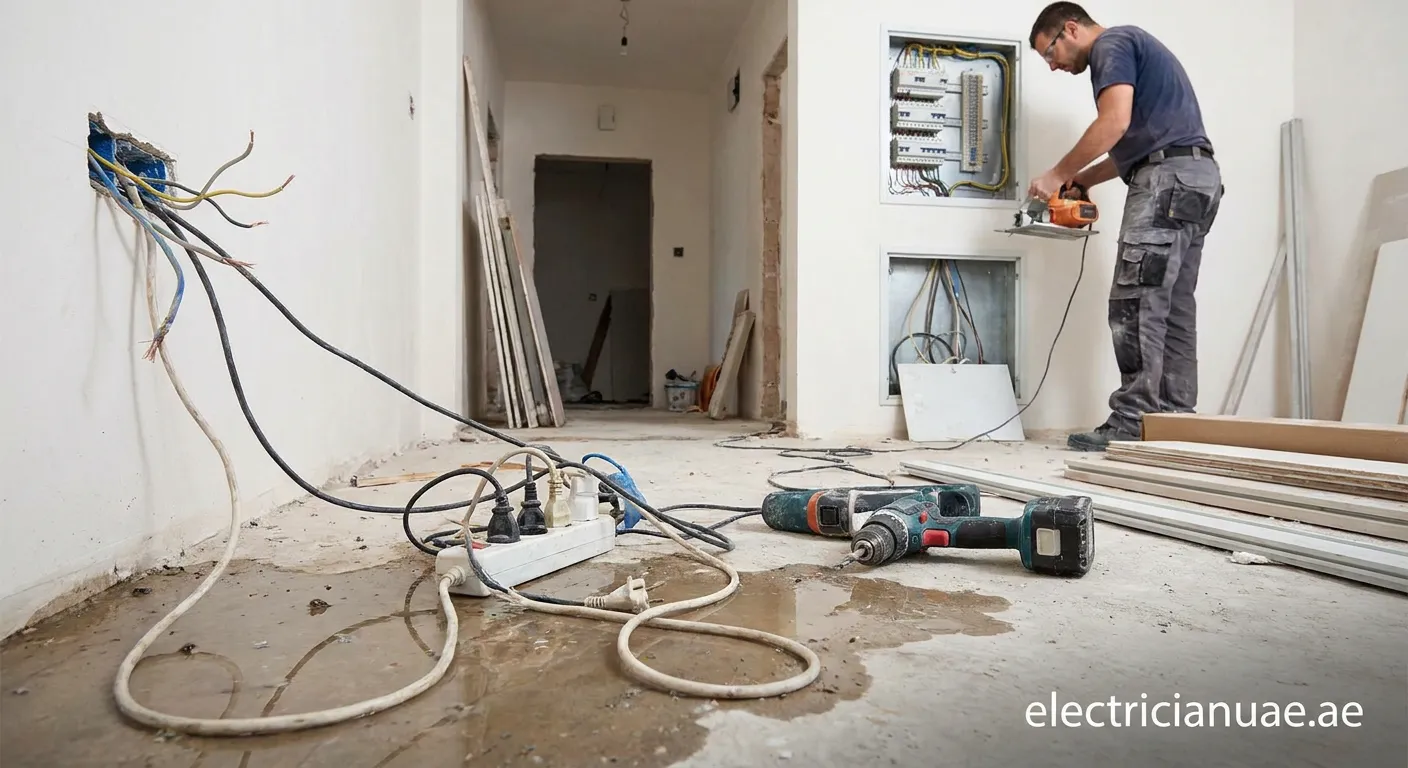
Remodeling your home is exciting, yet hidden wiring risks can cause serious harm. Learn how to spot and eliminate hazards with our expert renovation safety guide.
Understanding Electrical Risks During Remodeling
Home remodeling projects are exciting, but demolition and structural modifications often expose hidden dangers behind walls, under floorboards, and above ceilings. Recognizing the major Electrical Hazards to Look Out For During Renovation is essential for maintaining safety, preventing electrical fires, and avoiding costly damage to property.
1. Damaged and Exposed Wiring
One of the most frequent risks during construction is accidentally puncturing, cutting, or pinching wires behind drywall. Hidden cables can easily be pierced by nails, drills, or demolition tools. Exposed copper wires create immediate electrocution risks and can ignite insulation or framing timber. Always use a reliable multi-scanner before cutting into walls to detect live wires.
2. Outdated Knob-and-Tube or Aluminum Wiring
Older homes often contain obsolete wiring systems such as knob-and-tube or legacy aluminum wiring. When you disturb these systems during a remodel, fragile insulation can crumble, leaving bare conductors exposed. Aluminum wiring expands and contracts faster than copper, causing loose connections that overheat. Identifying outdated systems early ensures you can plan a complete rewiring before finishing surfaces.
3. Overloaded Circuits and Inadequate Breakers
Modern households utilize far more high-draw appliances than older homes were designed to handle. Adding modern kitchen appliances, HVAC units, or luxury bathroom features without upgrading your service panel leads to severe circuit overloads. If circuit breakers frequently trip or fuses blow, your system is signaling an unsafe electrical load that requires immediate breaker panel modernization.
4. Missing Ground Fault Circuit Interrupters (GFCIs)
Renovating kitchens, bathrooms, basements, or outdoor spaces requires strict adherence to water-safety protocols. Water and electricity are a fatal combination. Failing to install GFCI outlets in moisture-prone zones leaves occupants vulnerable to dangerous shocks. GFCIs instantly cut power when an imbalance in electrical current is detected, preventing severe injuries.
5. Improper Junction Box Installations
During remodeling, homeowners sometimes conceal junction boxes behind drywall or leave wire splices floating freely in ceiling cavities. This practice violates building codes and poses severe Electrical Hazards to Look Out For During Renovation. All wire connections must be contained within accessible, code-compliant junction boxes with secure covers.
Key Preventive Measures for Renovation Projects
- Always shut off power at the main service panel before starting any demolition or drilling work.
- Test every circuit with a reliable non-contact voltage tester before touching any cables or fixtures.
- Label your electrical panel clearly to avoid accidental deactivation or energizing of work areas.
- Hire licensed professionals for complex rewiring, panel upgrades, and heavy appliance installations. Proactive planning, code compliance, and professional oversight eliminate electrical risks and guarantee long-lasting safety.
Ensuring Safety in Your Renovation
Prioritize safety in every remodeling project to protect your family and investment. If you need expert help with outlets and wiring, check out our Socket-installation Masfout 11 service to ensure flawless, secure installations every time.
 electrical hazards, home renovation safety, rewiring, outlets
