


 DIY Safety
Electrical Safety for DIY Enthusiasts: Essential Tips
 James Mitchell
 Jul 15, 2026
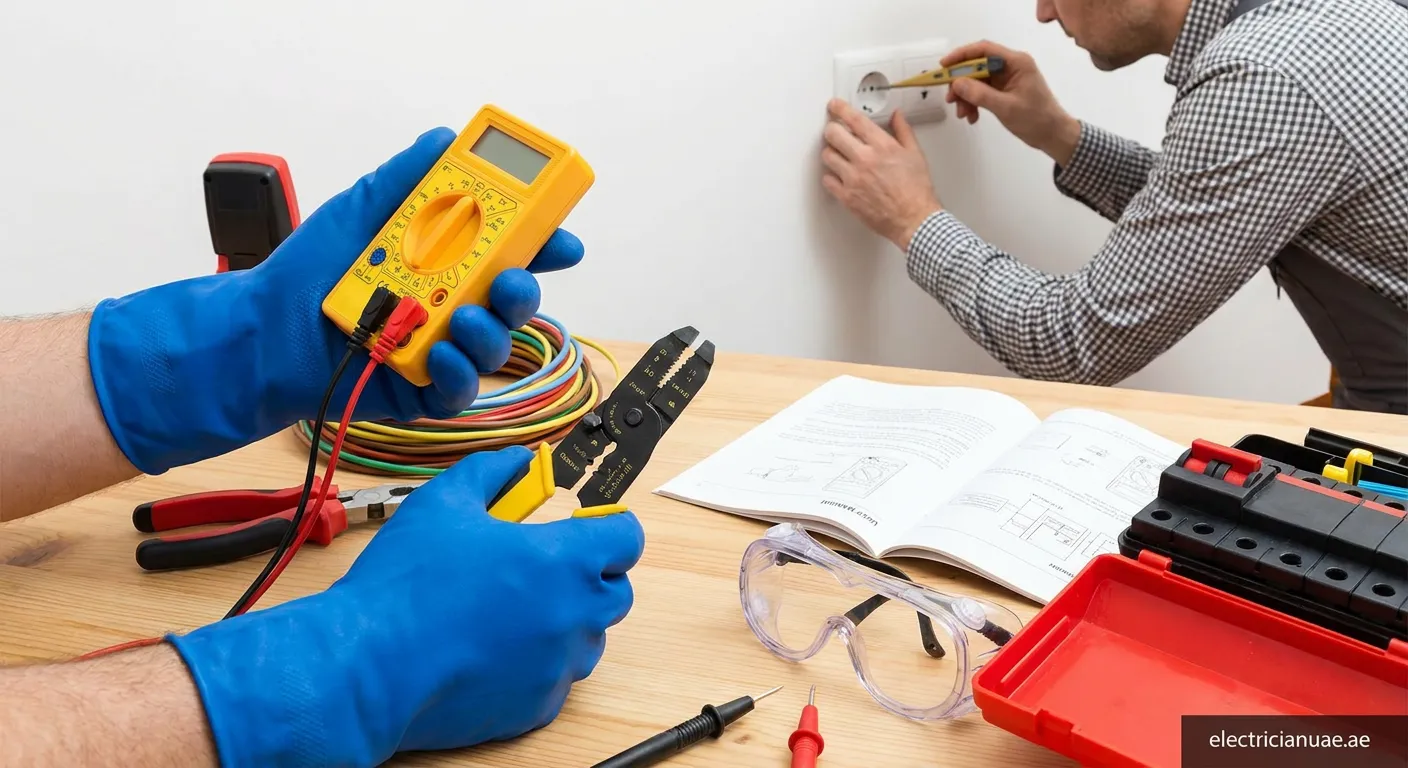
Electrical work at home can be rewarding but carries real risks. Understanding Electrical Safety for DIY Enthusiasts is crucial to prevent accidents and ensure your projects meet safety standards.
Why Electrical Safety for DIY Enthusiasts Matters
Every year, thousands of DIYers suffer injuries from electrical accidents. Electrical Safety for DIY Enthusiasts is not just a guideline — it's a critical practice that can save lives. Whether you're replacing a light switch or installing a new outlet, understanding the risks is your first line of defense.
Common Electrical Hazards at Home
- Electric shock from exposed wires or faulty connections
- Electrical fires caused by overloaded circuits or poor wiring
- Arc faults from loose or damaged wire connections
- Short circuits resulting from incorrect wire installation
Essential Safety Rules Before You Start
1. Always Turn Off the Power
The golden rule of Electrical Safety for DIY Enthusiasts: never work on live circuits. Locate your main breaker panel and shut off power to the area where you'll be working. Use a voltage tester to confirm the power is off before touching any wires.
2. Use the Right Tools
Insulated tools are a must. Standard screwdrivers and pliers without insulation can conduct electricity and cause serious injury. Invest in tools rated for electrical work, including:
- Insulated screwdrivers and pliers
- Wire strippers with voltage detection
- Non-contact voltage testers
- Rubber-soled footwear for grounding protection
3. Understand Your Home's Wiring
Before any project, familiarize yourself with your home's electrical system. Know the difference between hot wires (usually black or red), neutral wires (white), and ground wires (green or bare copper). Misidentifying wires is one of the most common DIY mistakes.
Key Practices for Safe DIY Electrical Work
Proper Wire Connections
Loose connections cause overheating and are a leading cause of electrical fires. Use wire nuts or appropriate connectors and ensure each connection is tight and secure. Never use electrical tape as a permanent connection method.
Circuit Protection
Every circuit needs proper protection. Install the correct circuit breaker or fuse rated for the wire gauge and load. A 15-amp breaker requires 14-gauge wire minimum, while a 20-amp circuit needs 12-gauge wire. Overloading a circuit with an oversized breaker is extremely dangerous.
Ground Fault Circuit Interrupters (GFCIs)
Install GFCI outlets in kitchens, bathrooms, and outdoor areas. These devices cut power within milliseconds when they detect a ground fault, dramatically reducing shock risk. For any DIY enthusiast, electrical safety includes knowing where GFCIs are required by code.
Warning Signs You Should Stop and Call a Professional
If you notice any of these signs, stop immediately and consult a licensed electrician.
- Burning smell from outlets or switches
- Warm or discolored wall plates
- Flickering lights that can't be explained
- Breakers that trip repeatedly
- Buzzing sounds from electrical panels
Final Checklist Before You Begin Any Project
- Turn off power at the breaker
- Verify with a tester that power is off
- Wear insulated footwear and use insulated tools
- Check local building codes and permit requirements
- Never work alone — always have someone nearby
- Keep the work area dry and well-lit
Stay Safe and Work Smart
Mastering Electrical Safety for DIY Enthusiasts protects you and your home from serious hazards. Always follow proper protocols and never hesitate to call professionals for complex tasks. We also offer expert services in Wadi Al Safa 7 — visit Light-fixing Wadi Al Safa 7 for reliable assistance.
 electrical safety, DIY projects, home wiring, circuit protection
