


 Electrical Planning
Why Your Electrical Urban Planning Is Complex
 John Mitchell
 Sep 02, 2026
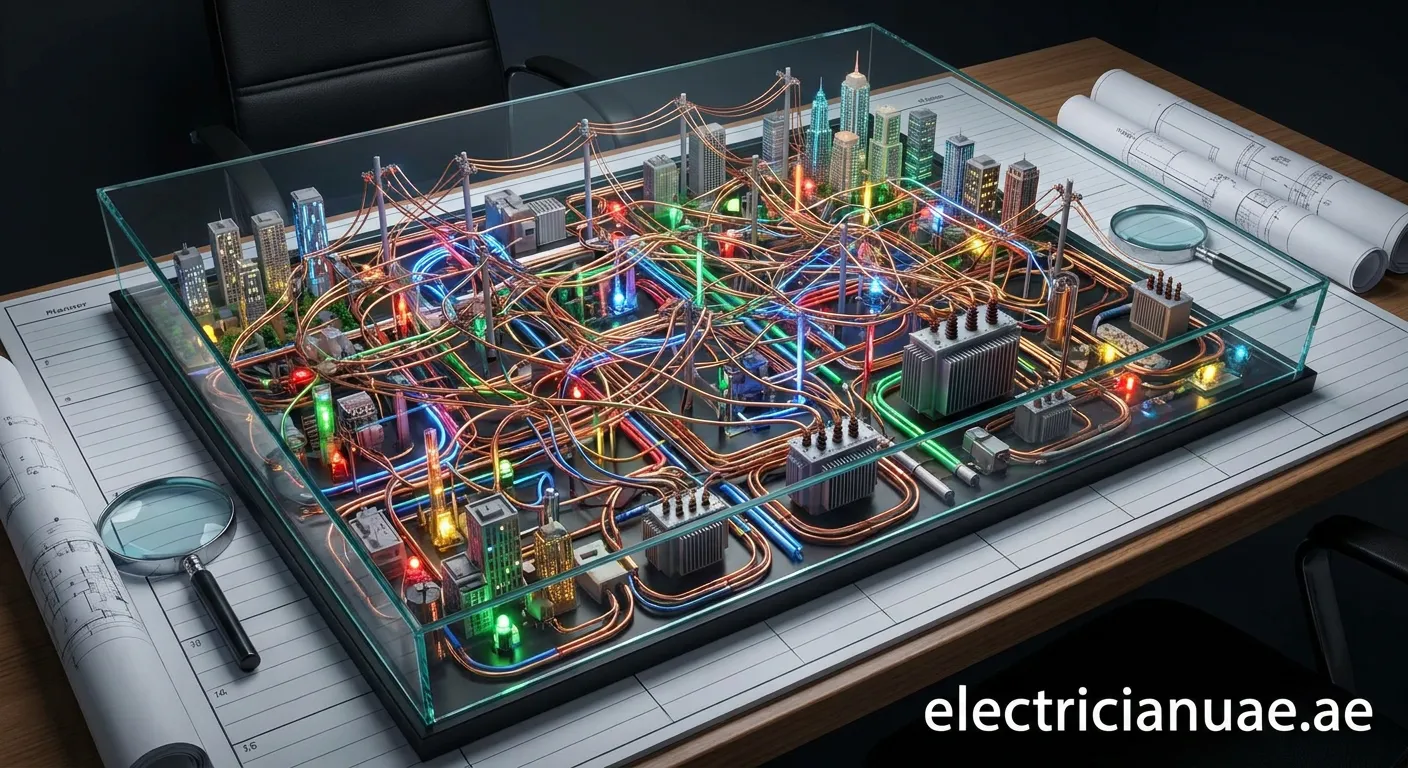
Urban electrical planning involves multiple layers of complexity that challenge even experienced engineers. Understanding these factors helps cities develop more resilient power systems.
Understanding the Fundamentals
Why Your Electrical Urban Planning Is Complex becomes apparent when you consider the intricate web of factors involved. Urban electrical systems must balance growing demand, aging infrastructure, environmental concerns, and technological advancement—all within limited space and budget constraints.
Infrastructure Age and Compatibility
Many cities rely on electrical infrastructure built decades ago. Integrating modern technology with these legacy systems creates significant challenges. Planners must ensure new installations work seamlessly with existing equipment while planning for future upgrades.
Key Complexity Factors
Population Density and Demand
High-density urban areas create unique challenges:
- Peak load management during extreme weather conditions
- Limited space for substations and distribution equipment
- Underground vs. overhead installation considerations
- Coordination with other utility infrastructure
Regulatory and Safety Requirements
Electrical urban planning must comply with numerous codes and standards:
- National Electrical Code requirements
- Local building regulations
- Environmental impact assessments
- Safety clearance specifications
Smart Grid Integration
Modern cities demand smart grid capabilities. This adds layers of complexity including:
- Real-time monitoring systems
- Automated fault detection
- Integration of renewable energy sources
- Demand response mechanisms
Technical Challenges
Why Your Electrical Urban Planning Is Complex also relates to technical precision required. Planners must account for:
- Voltage drop calculations across extensive networks
- Load forecasting for 20-30 year horizons
- Power quality maintenance throughout distribution
- Fault current management and protection coordination
Economic Considerations
Budget constraints significantly impact planning decisions. Projects must balance:
- Initial capital expenditure
- Long-term operational costs
- Maintenance requirements
- Expected service life of components
Future-Proofing Strategies
Successful electrical urban planning requires anticipating future needs:
- Scalable infrastructure design that accommodates growth
- Flexible routing options for cables and equipment
- Technology integration pathways for emerging systems
- Sustainability considerations for renewable integration
Stakeholder Coordination
Perhaps why your electrical urban planning is complex most significantly is the need to coordinate multiple stakeholders:
- Municipal planning departments
- Utility companies
- Construction contractors
- Property developers
- Environmental agencies
Each party has different priorities and timelines, requiring careful negotiation and project management.
Technology Solutions
Modern planning tools help address complexity:
- GIS mapping systems for spatial analysis
- Load modeling software for demand forecasting
- Simulation tools for scenario planning
- Project management platforms for coordination
Best Practices for Success
To navigate urban electrical planning complexity effectively:
- Start with comprehensive assessments of existing conditions
- Engage stakeholders early in the planning process
- Build flexibility into designs for future modifications
- Document thoroughly for knowledge transfer
- Plan maintenance access during initial design phases
Understanding these challenges helps property owners and city planners make informed decisions about electrical infrastructure development.
Moving Forward with Your Planning
Understanding why your electrical urban planning is complex empowers better decision-making. Whether upgrading existing systems or planning new installations, professional guidance ensures success. Our team also provides expert electrical-repair services in Jumeira 1, offering reliable solutions for residential and commercial properties.
 urban planning, electrical grid, power distribution, infrastructure, smart cities
