


 Electrical Systems
How to Wire a Reactor Control System: Complete Guide
 Michael Harrison
 Aug 19, 2026
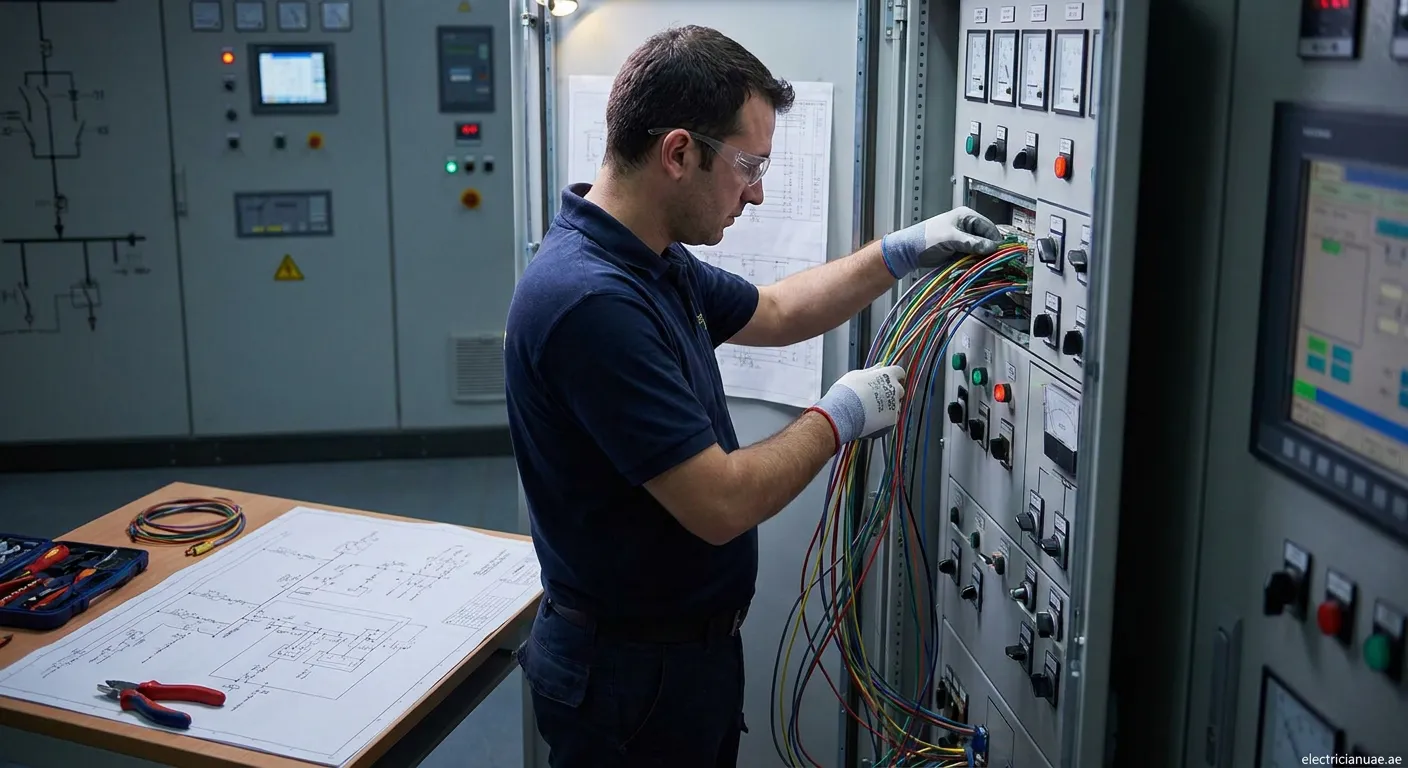
Wiring a reactor control system requires precision, technical expertise, and strict adherence to safety protocols. This comprehensive guide walks you through the entire process.
Understanding Reactor Control System Components
Before learning how to wire a reactor control system, you must understand its core components. A typical system includes sensors, controllers, actuators, and power supplies working together to monitor and regulate reactor operations.
Key Components Overview
- Sensors: Temperature, pressure, and flow transmitters
- Controllers: PLCs or DCS units processing signals
- Actuators: Control valves, pumps, and motors
- Power Supply: Redundant power systems for reliability
- Safety Interlocks: Emergency shutdown circuits
Safety Precautions Before Wiring
Safety is paramount when wiring reactor control systems. Always de-energize circuits before beginning work and verify isolation using proper testing equipment.
Essential Safety Measures
- Lock-out/Tag-out (LOTO) procedures
- Personal protective equipment (PPE)
- Ground fault protection verification
- Explosion-proof conduit requirements
- Compliance with NEC and IEC standards
Step-by-Step Wiring Process
Step 1: Prepare Wiring Diagrams
Study the schematic diagrams thoroughly. How to wire a reactor control system correctly starts with understanding signal flow, power distribution, and grounding schemes.
Step 2: Install Conduit and Cable Trays
Use appropriate cable separation to prevent electromagnetic interference (EMI). Keep signal cables away from high-voltage power cables by minimum 12 inches.
Step 3: Pull Signal Cables
- Use shielded twisted pair cables for analog signals
- Maintain proper bend radius (minimum 10x cable diameter)
- Label all cables at both ends
- Ground shields at one end only
Step 4: Connect Power Wiring
Power wiring requires careful attention to wire sizing. Calculate proper conductor ampacity based on:
- Continuous load requirements
- Ambient temperature derating
- Conduit fill factors
- Voltage drop considerations
Important: Always use 90°C rated conductors for control panel wiring and ensure proper torque on all terminations.
Step 5: Terminate Control Cables
Proper termination prevents signal noise and connection failures. Use ferrule ends for stranded wires and maintain consistent wire numbering.
Common Wiring Mistakes to Avoid
When learning how to wire a reactor control system, avoid these frequent errors:
- Improper shield grounding causing noise
- Inadequate wire labeling
- Mixed AC/DC circuits in same conduit
- Insufficient wire bend radius
- Omitting surge protection devices
Testing and Commissioning
After completing wiring, perform comprehensive testing:
- Continuity testing on all circuits
- Insulation resistance measurements
- Grounding verification
- Functional testing of all control loops
- Calibration verification of instruments
Documentation Requirements
Maintain accurate as-built documentation including:
- Updated wiring diagrams
- Cable schedules
- Termination drawings
- Test reports
- Maintenance procedures
Final Considerations
Mastering how to wire a reactor control system ensures operational safety and efficiency. For professional assistance, we offer expert services in Industrial Area 6. Visit Power-tripping-fix Industrial Area 6 for reliable support.
 reactor control, electrical wiring, control systems, industrial automation, power systems
